Winter Rodents in Arkansas: Keeping the Mice and Rats Out
As winter approaches in Arkansas, homeowners aren’t the only ones looking for a warm place to escape the cold. Wildlife and rodents are also searching for shelter, and your home can quickly become an attractive winter refuge.
Winter rodent problems are among the most common pest and wildlife issues homeowners encounter during the colder months. Once mice or rats find a way inside, they may settle into attics, walls, crawl spaces, garages, basements, and other protected areas of the home.
Why Do Rodents Enter Homes During Winter?
Even though Arkansas winters are generally milder than those farther north, temperatures can still drop significantly, particularly during periods of freezing weather. Mice and rats don’t necessarily need much encouragement to seek out a warm, protected location with access to food and water.
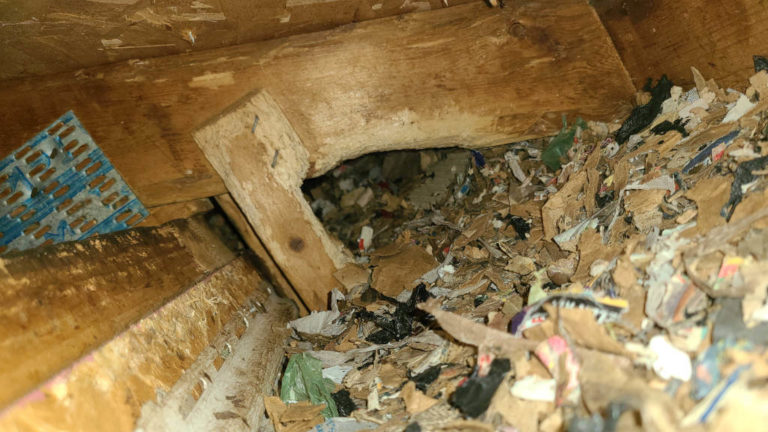
Rodents aren’t the only wildlife species that may attempt to overwinter in a structure. Squirrels, raccoons, and even some birds can find ways into attics, garages, sheds, and other areas of a home.
The difference is that rodents can reproduce quickly once they establish themselves inside. A single mouse getting into your house can eventually turn into a much larger problem if the animal finds a suitable nesting location.
Rodents Can Create Health Risks
Mice and rats can introduce more than an unwanted pest problem into your home. They can also carry organisms capable of causing diseases that can be transmitted to people.
Rodents can contaminate areas of a home with urine, feces, saliva, and nesting materials. People can potentially be exposed by coming into direct contact with an infected animal, handling contaminated materials, or disturbing contaminated areas and inhaling particles.
Rodents may also carry fleas, mites, and other parasites capable of spreading disease.
For this reason, cleaning up a rodent infestation should be approached carefully. Simply removing a few droppings or catching an occasional mouse does not necessarily address the underlying problem.
Winter Rodents Can Cause Expensive Property Damage
Health concerns aren’t the only reason to take a rodent infestation seriously. Mice and rats can cause significant damage to a home if they are allowed to remain inside.
Rodents have constantly growing teeth and will chew a variety of materials. Electrical wiring, structural wood, plastic, and other building materials can all become targets.
Insulation is another common problem. Rodents frequently use insulation as nesting material, and repeated nesting activity can destroy its effectiveness. Urine and feces can further contaminate insulation and surrounding areas.
Over time, an established rodent colony can cause thousands of dollars in damage, particularly when electrical wiring, insulation, or other difficult-to-access areas of the home are affected.
The Best Way to Prevent Winter Rodent Problems
The most effective way to deal with winter rodents is to prevent them from getting inside in the first place.
This is where wildlife exclusion becomes important. Exclusion involves identifying potential entry points around the structure and sealing them with appropriate materials so rodents cannot continue using those openings to access the home.
Common problem areas include gaps around pipes and utility penetrations, openings around foundations, damaged vents, gaps beneath doors, and other small openings around the exterior.
Because mice can squeeze through surprisingly small openings, simply sealing the most obvious hole isn’t always enough. A thorough inspection can help identify the entry points that need to be addressed.
Trapping may also be necessary when rodents are already established inside the structure. However, homeowners should be cautious about relying on poisons or glue traps as a primary solution. The Centers for Disease Control and Prevention (CDC) provides specific recommendations for safely dealing with rodents in and around homes.
Don’t Wait Until Winter Rodents Become an Infestation
If you notice mouse droppings, scratching sounds in your walls or attic, gnaw marks, nesting materials, or other evidence of rodent activity, it’s better to address the problem early.
The longer rodents are allowed to remain inside, the greater the opportunity for them to reproduce, spread throughout the structure, and cause additional damage.
Whether you’re already dealing with mice or rats or simply want to make your home less attractive to winter wildlife, professional exclusion and preventative rodent control can help protect your home before the problem gets out of hand.
If you’re having problems with rodents in your Arkansas home—or want to take preventative steps before winter arrives—contact a professional wildlife control company for an inspection and recommendations.