Seeing a raccoon, skunk, fox, or other wild animal behaving strangely can be alarming. An animal stumbling through your yard, wandering in circles, appearing unusually tame, or being active during the daytime may immediately make you wonder:
Does this animal have rabies?
While rabies is certainly a serious concern, it isn’t the only disease that can cause unusual behavior in Arkansas wildlife. Canine distemper can produce many of the same symptoms, particularly in raccoons, skunks, foxes, and other susceptible wildlife.
The problem is that you cannot reliably tell the difference between rabies and distemper simply by watching the animal. Laboratory testing is required to confirm rabies, and sick or strangely behaving wildlife should always be treated with caution.
What Is Canine Distemper?
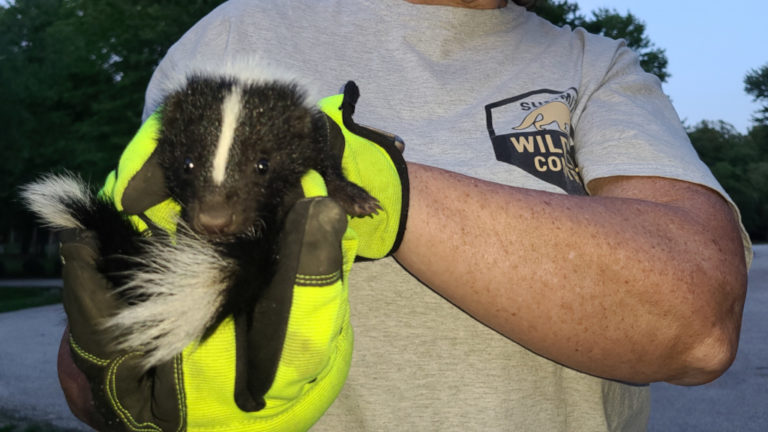
Canine distemper is a highly contagious viral disease that affects dogs and a variety of wild carnivores, including raccoons, skunks, foxes, and coyotes.
Despite its name, canine distemper is not limited to domestic dogs. Wildlife can become infected as well.
Distemper can affect several body systems, including the respiratory, gastrointestinal, immune, and nervous systems. As the disease progresses, an infected animal may begin displaying neurological symptoms that can look very similar to rabies.
This is particularly important for Arkansas homeowners because raccoons are common around residential areas. In March 2026, Fayetteville Animal Services warned residents about an increase in canine distemper cases among the local raccoon population. Officials reported raccoons displaying symptoms such as stumbling, disorientation, unusual daytime activity, eye and nose discharge, tremors, and seizures.
Can Distemper Infect People?
No. Canine distemper does not infect humans.
That doesn’t mean you should approach a wild animal that appears to have distemper.
A sick animal may be frightened, confused, or unable to respond normally to people and pets. It may also have another disease—including rabies—that can pose a serious health risk.
Canine distemper is also contagious to domestic dogs. Keeping dogs properly vaccinated is one of the best ways to protect them from the disease.
What Is Rabies?
Rabies is a completely different disease and is a much more serious concern for people.
Rabies is a viral disease that attacks the nervous system and is almost always fatal once clinical symptoms develop. Fortunately, rabies is preventable when appropriate medical treatment is started promptly following an exposure.
Rabies can infect virtually any mammal, including wildlife, pets, livestock, and people.
In Arkansas, however, there is an important distinction from some other parts of the country.
Rabies in Arkansas Wildlife
The Arkansas Department of Health identifies wild skunks and bats as the primary wildlife reservoirs for rabies in Arkansas. Other mammals can become infected as well, including raccoons, foxes, coyotes, and other wildlife.
Arkansas Game and Fish Commission has also reported that skunks are the primary animal found with rabies in the state, with bats also representing an important source of rabies infections.
That makes an oddly behaving skunk or a bat found in an unusual location something that should never be casually dismissed.
Distemper vs. Rabies: What Are the Symptoms?
Unfortunately, this is where things become complicated.
The symptoms of canine distemper and rabies can overlap considerably.
Signs That May Occur With Distemper
A wild animal infected with canine distemper may exhibit:
- Runny nose
- Discharge from the eyes
- Coughing or respiratory problems
- Lethargy
- Loss of appetite
- Tremors or muscle twitching
- Seizures
- Weakness
- Stumbling or poor coordination
- Wandering or appearing disoriented
- Unusual daytime activity
Raccoons with distemper are sometimes described as appearing “drunk” because of their stumbling, poor coordination, and abnormal behavior.
Signs That May Occur With Rabies
Rabies can also cause major changes in an animal’s behavior and nervous-system function.
Possible signs include:
- Unusual aggression
- Unusual friendliness or lack of fear
- Disorientation
- Weakness
- Loss of coordination
- Paralysis
- Seizures
- Difficulty swallowing
- Excessive salivation
- Abnormal vocalizations
- Self-mutilation
- Unusual activity during the daytime
Importantly, a rabid animal does not necessarily become aggressive. The Arkansas Game and Fish Commission notes that infected animals may instead appear lethargic, unaware of their surroundings, or unusually unafraid of people and pets.
Why You Can’t Diagnose Rabies by Looking at an Animal
One of the most dangerous misconceptions about rabies is that you can tell whether an animal has it by looking at its behavior.
You can’t.
An animal stumbling around in your yard may have distemper. It could have been injured. It could be suffering from another illness. Or it could have rabies.
Even an animal that looks relatively normal can potentially be infected.
The Arkansas Department of Health states that you cannot determine whether wildlife has rabies simply by looking at the animal. Laboratory testing is required.
This is why homeowners should never attempt to catch, corner, handle, or relocate a wild animal that appears sick or is behaving abnormally.
What Should You Do If You See a Sick Raccoon or Skunk?
The safest thing you can do is keep your distance.
Bring children and pets inside and prevent your dog from investigating the animal.
Do not attempt to capture the animal yourself, even if it appears weak or harmless.
If the animal is on your property and needs to be removed, contact an appropriate wildlife-control professional or local animal-control agency for assistance.
If a person has been bitten or scratched—or potentially exposed to saliva from a suspicious animal—wash the affected area thoroughly with soap and water and seek medical advice immediately.
The Arkansas Department of Health advises people who have potentially been exposed to rabies to seek medical attention promptly.
What If a Bat Gets Inside Your Arkansas Home?
Bats deserve special consideration because bites can be extremely small and may not always be noticed.
The Arkansas Department of Health specifically advises that if you find a bat inside your home, you should isolate it to one room, leave the room, close the doors, and contact animal control or a nuisance wildlife-control company to capture the bat for testing when appropriate.
Do not simply release a bat outside if there is a possibility that a person or pet had contact with it.
Because bats are an important source of human rabies infections in the United States, any possible exposure should be taken seriously.
Protect Your Dogs From Wildlife Diseases
One of the easiest ways to reduce the risk of both rabies and canine distemper is to keep your pets properly vaccinated.
Arkansas requires dogs and cats to be vaccinated against rabies by four months of age, with vaccinations kept current thereafter.
Dogs should also be kept current on their canine distemper vaccinations.
Don’t allow pets to investigate wildlife, particularly animals that appear sick, injured, unusually tame, or otherwise abnormal.
A curious dog getting too close to an infected raccoon or skunk can turn a wildlife problem into a veterinary emergency.
Distemper vs. Rabies: The Bottom Line
Canine distemper and rabies can look remarkably similar in wild animals.
Both diseases can cause neurological symptoms, disorientation, abnormal behavior, weakness, and poor coordination. A raccoon stumbling around in the daytime may have distemper, but you cannot safely assume that it does.
The biggest difference for homeowners is that canine distemper does not infect people, while rabies is a potentially fatal disease that can be transmitted from infected animals to humans.
And in Arkansas, rabies deserves particular attention because skunks and bats are the state’s primary wildlife reservoirs for the virus.
If you encounter a wild animal that is sick, injured, unusually tame, aggressive, disoriented, or behaving abnormally, don’t take chances.
Keep your distance, protect your pets, and contact the appropriate wildlife or animal-control professional.
Trying to determine whether an animal has rabies or distemper yourself isn’t worth the risk.