If you have ever searched for a way to get a raccoon out of your attic, keep squirrels out of your chimney, or discourage snakes from hanging around your property, you have probably encountered the same piece of advice:
“Put out some mothballs.”
It is one of the most common home remedies recommended for wildlife problems. Unfortunately, it is also one of the worst.
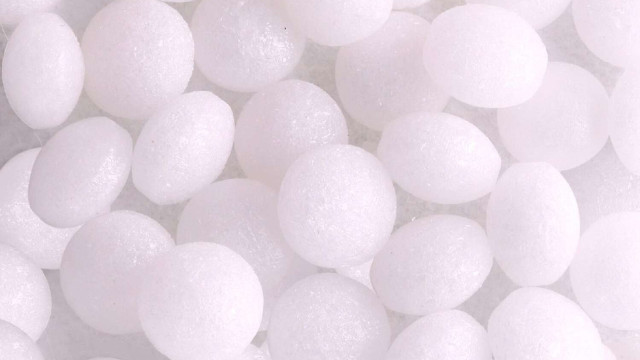
Mothballs are not wildlife repellents. They are pesticides designed to kill clothes moths and other fabric pests when used properly in a sealed, airtight container. They are not designed to repel raccoons, squirrels, bats, snakes, opossums, skunks, mice, or other wildlife. The National Pesticide Information Center specifically advises against using mothballs to repel animals.
What Are Mothballs Actually Made For?
Despite their reputation as an all-purpose animal repellent, mothballs have a very specific purpose.
Most mothballs sold in the United States contain a high concentration of either naphthalene or paradichlorobenzene. These chemicals slowly change from a solid into a gas. In the correct application, the fumes become concentrated inside an airtight container and kill clothes moths and their eggs.
That distinction is important.
Mothballs work because they produce pesticide vapors in an enclosed space. They aren’t simply producing a strong smell that animals find unpleasant.
When people place mothballs in an attic, crawl space, chimney, garage, garden, or underneath a house, they are allowing pesticide vapors to escape into the surrounding environment.
That’s not what the product was designed for.
Do Mothballs Repel Raccoons, Squirrels, or Other Wildlife?
No—not reliably.
The idea that animals will smell mothballs and immediately leave is largely an old wildlife-control myth.
According to NPIC, mothballs have little or no effect as animal repellents. They specifically state that mothballs are not intended to be used as animal repellents.
Think about what happens when an animal has already decided that your attic, chimney, crawl space, or garage is a good place to live.
It has found shelter.
It may have a nest.
It may have babies.
It may have easy access to food.
A strong odor doesn’t necessarily outweigh those advantages.
In fact, wildlife can sometimes tolerate odors that people find extremely unpleasant when the alternative is abandoning a secure shelter.
Mothballs Can Be Dangerous to People and Pets
One of the biggest problems with using mothballs as a wildlife deterrent is that the chemicals don’t disappear harmlessly.
They turn into vapor.
If you can smell mothballs, you are breathing their pesticide vapor. NPIC warns that exposure can cause symptoms including headaches, nausea, vomiting, diarrhea, irritation of the eyes and nose, and coughing. Longer-term exposure can cause more serious health effects.
This becomes particularly concerning when mothballs are placed inside or underneath a home.
An attic, crawl space, wall void, or garage is still connected to the living environment. Depending on the structure and ventilation, pesticide vapors can potentially make their way into areas occupied by people and pets.
Children and pets can also be particularly vulnerable because they may find and handle or ingest mothballs.
What Happens When Wildlife Eats a Mothball?
Another problem is that wildlife doesn’t necessarily understand that a mothball is something it shouldn’t touch.
Animals investigating an attic, crawl space, shed, or yard may come into direct contact with the product. Mothballs can also be mistaken for something edible.
NPIC warns that mothballs can be harmful to people, pets, and wildlife if they are touched, eaten, or exposed to their vapors.
In other words, you may be trying to get rid of one wildlife problem while creating a completely different hazard.
Using Mothballs Outdoors Can Be Illegal
This is an important point that is often overlooked.
Pesticides are regulated products. The label tells you where and how the product can legally be used.
Using a pesticide in a manner inconsistent with its labeling can violate federal pesticide law. EPA guidance specifically addresses the use of mothballs as animal repellents and notes that placing them outdoors in locations such as along a fence line is not an approved use.
NPIC likewise states that using mothballs in a way not specified on the label can be illegal and can harm people, pets, or the environment.
So when someone recommends scattering mothballs around your yard to keep snakes, squirrels, skunks, or other wildlife away, that’s not simply an ineffective home remedy.
It can also be an improper use of a pesticide.
Mothballs Can Contaminate the Environment
Putting mothballs outside doesn’t make the pesticide disappear.
Because the active ingredients evaporate into the air, they can move beyond the location where they were placed. Improper outdoor use can also result in contamination of soil, plants, and water.
NPIC specifically warns that mothballs are not intended for outdoor use and that improper use can harm wildlife and contaminate soil, plants, and water.
That is a pretty significant environmental price to pay for a product that probably isn’t going to solve the wildlife problem in the first place.
So What Should You Do Instead?
The correct solution depends on what animal you are dealing with and why it is there.
Wildlife control generally works much better when you address the reason the animal has entered the structure rather than simply trying to make the animal uncomfortable.
For example, a proper wildlife exclusion may involve:
- Identifying the animal species.
- Finding the entry point being used.
- Determining whether animals or babies are currently inside.
- Removing or resolving the attractant when appropriate.
- Installing an appropriate one-way exclusion device when necessary.
- Sealing the entry point after the animals have safely left.
- Repairing damage that could allow the animal to return.
- Identifying additional vulnerable areas around the structure.
This approach addresses the source of the problem instead of attempting to overpower it with a chemical odor.
What About Mothballs for Mice?
This is another common question.
You may have heard that mothballs will keep mice out of an attic, basement, garage, RV, or storage building.
Again, mothballs are not intended to be used as a mouse repellent. NPIC specifically addresses the use of mothballs against mice and other animals and recommends following the product label rather than using mothballs as a general-purpose animal repellent.
If you have mice inside your home, the long-term solution is generally to identify how they are getting inside and address those entry points, along with appropriate trapping and sanitation measures.
Don’t Put Mothballs in Your Attic or Crawl Space
This is probably the most important takeaway.
If you have wildlife living in your attic, crawl space, chimney, garage, or another part of your home, don’t start throwing mothballs around the area.
They aren’t a reliable wildlife-control method, and improper use can expose you, your family, pets, and wildlife to pesticide chemicals.
The National Pesticide Information Center’s advice is straightforward: mothballs are pesticides intended for specific uses against fabric pests, not wildlife repellents.
The Bottom Line
Mothballs have a legitimate purpose—but wildlife control isn’t it.
They won’t magically make a raccoon abandon your attic or convince squirrels to leave your chimney. They aren’t a reliable way to keep snakes out of your yard, and they aren’t an appropriate substitute for proper rodent exclusion.
If an animal has gotten into your home, the better approach is to identify the species, determine how it got inside, safely remove the animal when necessary, and correct the entry point so the problem doesn’t happen again.
Skip the mothballs. Fix the opening.
If you have wildlife getting into your home, contact a qualified wildlife-control professional to determine what is attracting the animal, how it is getting inside, and what needs to be done to keep it out.